Why Does My Snorkel Mask Leak? A Fit-First Fix Guide
A leaking snorkel mask usually needs a better seal, not a tighter strap. Check for hair under the silicone skirt, a folded edge, uneven strap tension or a mask shape that does not suit your face. Find where the water enters, change one thing at a time and retest in calm, shallow water.
Find the entry point first
Step out of the water if the leak is distracting. Dry your face and the skirt, then put the mask on carefully. Look for trapped hair or an edge rolled inward. A leak at the temple may have a different cause than water entering below the nose. Keep the snorkel mouthpiece in place for the fit check because it can change the seal around the upper lip. Divers Alert Network notes this change in facial shape.
Do not keep swimming with impaired vision or breathing discomfort while diagnosing equipment. Return to shore or a place where you can stand.
Clear hair and smooth the skirt
Lift the mask, move loose hair from the forehead and cheeks, and set the silicone flat against skin. Run a finger gently around the edge to find a fold. A strand, cap or hood crossing the sealing surface can create a path for water. Recheck before entering again.
Loosen an overtight strap
Too much tension can deform the skirt or pull it unevenly. Loosen, reseat and adjust both sides evenly. The strap should hold position without painful compression. PADI cautions that overtightening can cause leakage. Follow the dry fit and mouthpiece checks in our mask fit guide.
Try a different skirt shape
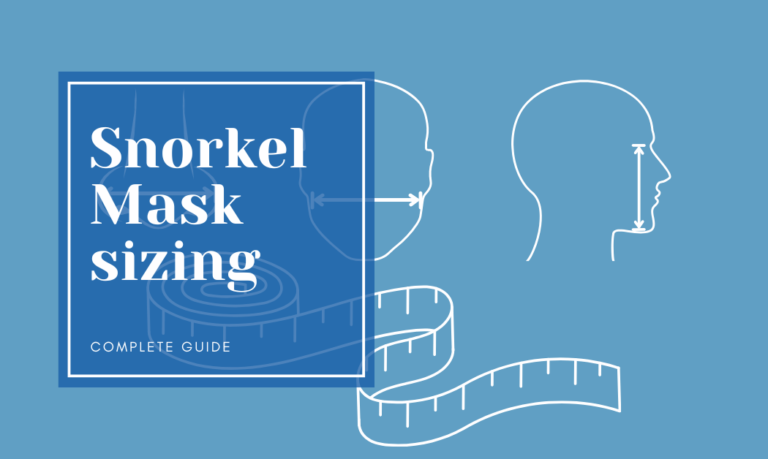
If water enters at the same place after careful reseating, the skirt may bridge over a facial contour instead of following it. Try another geometry rather than another round of tightening. An in-person comparison at a local dive shop can be more helpful than a generic size label. Our size guide explains what sizing can and cannot tell you.
Facial hair along the upper lip can interrupt the lower seal. A model advertised for beards cannot guarantee a dry fit. Even contact at the skirt remains the deciding factor. Once fit is solved, compare features in our best snorkel mask guide.
Inspect for damage
Check for tears, deformation, grit and loose components. Inspect the frame, lens seating and buckles according to the manufacturer’s instructions. If a lens is insecure or the skirt damaged, stop using the mask and ask the manufacturer or a qualified shop about replacement. Do not improvise a seal repair on gear you rely on in the water.
Why does it leak only when I smile?
Your cheeks and upper lip move when you smile or hold the snorkel mouthpiece. A mask may pass a still-face suction check but admit water during normal use. Repeat the check with the mouthpiece in place and move naturally. If the seal repeatedly opens, a different fit is more promising.
Retest safely
Stand in a calm, shallow area with a companion nearby. Seat the skirt on clear skin, position the strap comfortably and put the mouthpiece in place. Briefly submerge your face while staying within easy standing depth. If water repeatedly enters, exit and change one fit factor before trying again.
If your vision is obscured by condensation rather than water, see the separate defogger guide. Defog cannot repair a leaking seal.
Quick questions
Why does water enter near the nose?
The lower skirt may rest on facial hair, be folded, or not match the shape of your upper lip and nose. Reseat and recheck with the mouthpiece in place.
Will a wider strap fix a leak?
It may improve comfort or positioning, but it cannot change an incompatible skirt shape or repair damaged silicone.
Should I keep using a mask that leaks a little?
Stop and troubleshoot if water repeatedly enters or interferes with vision or comfort. Learning to clear a mask is useful, but it does not replace a proper fit.