
Best Underwater Camera for Snorkeling: 6 Honest 2026 Picks
Plan the Rest of Your Snorkel Trip
Protect the camera, choose a destination that suits your ability, and finish the core gear and skills before travel.
Quick answer: The best underwater camera for snorkeling depends on whether you want easy video, deliberate still photos or a sealed body. SeaLife Micro 3.0 is our best dedicated waterproof camera, GoPro HERO12 Black is the strongest existing action-camera value, Olympus Tough TG-6 is the legacy macro and RAW pick, DJI Action 4 suits lower-light video, AKASO EK7000 is the starter kit, and Insta360 X3 is the specialist 360 option.
SnorkelStory compares official specifications, exact product identity and recurring owner-feedback patterns. Those patterns highlight control, seal, battery and workflow questions; manufacturer documents establish the verified limits. Image quality varies with water clarity, distance, light, settings and technique, so no sample review can guarantee another trip’s results.
2026 model note: Several products retained from the existing article are previous generations. They are recommended only when their exact condition, warranty and live price create better value than a current successor. We never reuse an older image while naming it as a newer model.
Affiliate disclosure: As an Amazon Associate, SnorkelStory may earn from qualifying purchases at no extra cost to you. We do not publish fixed prices because listings change.
Best Underwater Camera for Snorkeling at a Glance
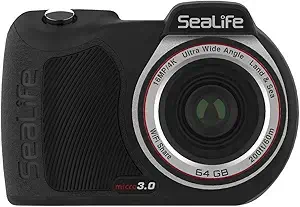
BEST DEDICATED CAMERA
SeaLife Micro 3.0
Sealed 60m body and underwater controls.
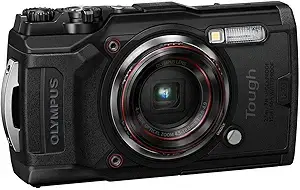
BEST LEGACY COMPACT
Olympus Tough TG-6
Optical zoom, RAW and unusually strong macro tools.
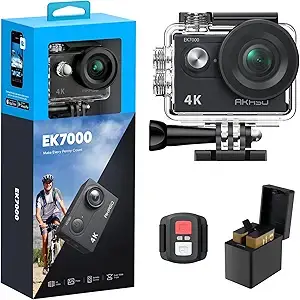
BEST STARTER KIT
AKASO EK7000
Low entry cost with a required housing.
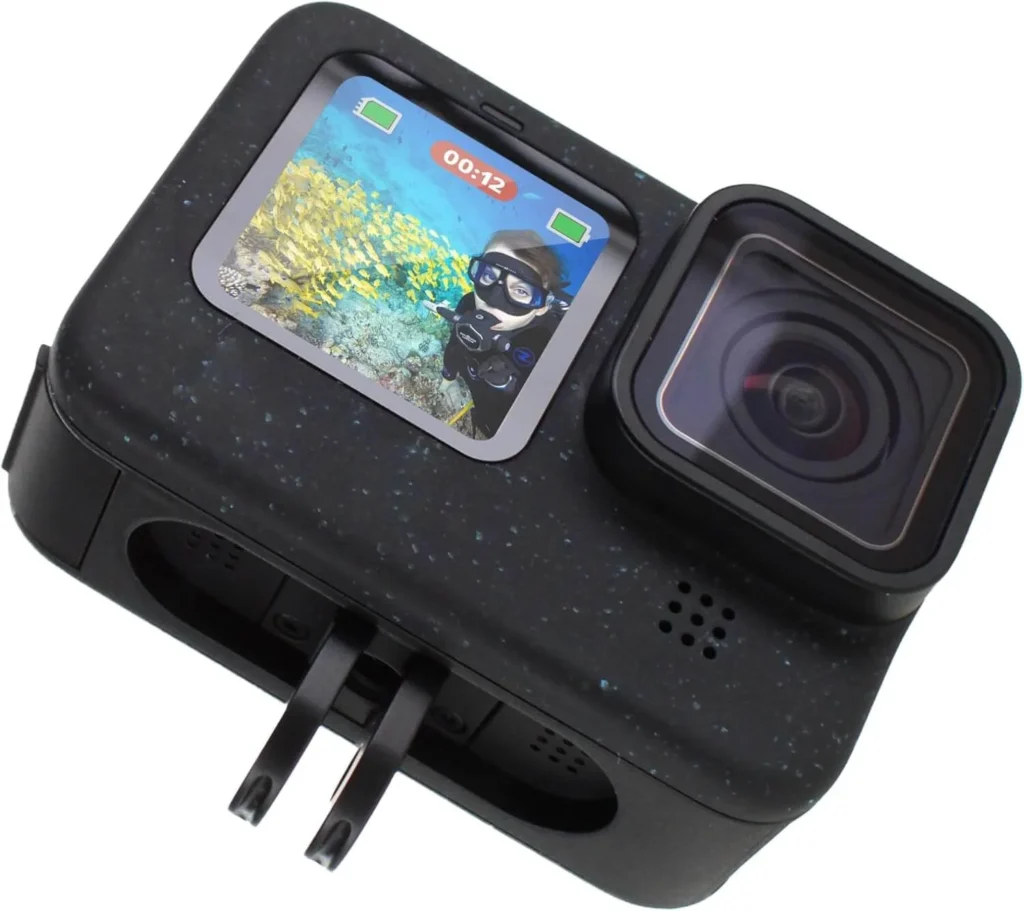
BEST ACTION VALUE
GoPro HERO12 Black
Stabilized high-resolution video and mature mounts.
BEST LEGACY LOW LIGHT
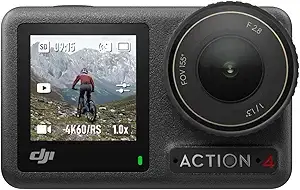
DJI Osmo Action 4
Larger action sensor and 10-bit video.
BEST 360 OPTION
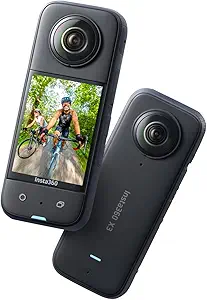
Insta360 X3
Reframe later with the correct dive case.
How We Chose the Best Underwater Camera for Snorkeling
We verify the exact model first, then compare native waterproof depth, housing requirements, sensor and lens, stabilization, controls, storage, battery access, color options and support. A depth number is not a quality score. For surface snorkeling, reliable sealing, simple wet-hand controls and a useful wide lens often matter more than a scuba-rated maximum.
Owner feedback helps identify door-latch mistakes, app friction, battery drain, scratched lenses and confusing menus. It cannot validate a depth rating or show how a camera performs in every water condition. The best underwater camera for snorkeling also has to fit the reader’s editing tolerance and willingness to maintain seals.
Our 6 Underwater Camera Picks
1. SeaLife Micro 3.0: Best Dedicated Sealed Underwater Camera
Why it stands out: Its permanently sealed body removes the user-serviced battery door that causes many floods. SeaLife specifies 60-meter waterproofing, a 16MP sensor, RAW capture, 4K30 video, a 100-degree lens, 64GB internal storage and underwater white-balance modes.
Best for: Travelers who want a purpose-built waterproof camera with large controls and no housing assembly.
Watch for: The fixed wide lens has no optical zoom, close focus begins at 38cm, internal storage is not removable, and the sealed internal battery eventually limits service life.
2. GoPro HERO12 Black: Best Existing Action-Camera Value
Why it stands out: HERO12 records stabilized 5.3K and 4K video, uses a tall 8:7 sensor area for flexible crops and is officially waterproof to 10m without a housing. Its mature accessory ecosystem remains useful when the price is meaningfully below newer generations.
Best for: Snorkelers prioritizing smooth video, compact mounting and easy vertical or horizontal reframing.
Watch for: This is a legacy-value recommendation in 2026, not the newest GoPro. Confirm the door seal, use a tether, and consider the official protective housing for impact, deeper use or extra sealing confidence.
3. Olympus Tough TG-6: Best Legacy Compact for Macro and RAW
Why it stands out: The TG-6 offers an f/2.0 wide end, optical zoom, RAW files and an unusually useful variable macro system. It is officially waterproof to 15m without a housing, which covers ordinary surface snorkeling when every seal is clean and intact.
Best for: Still-photo buyers who value close focus, RAW editing and physical controls more than the newest video specifications.
Watch for: The TG-6 launched in 2019 and has been succeeded by the TG-7. Buy only when the exact condition, warranty and discount make sense; used seals and battery doors deserve extra caution.
4. DJI Osmo Action 4: Best Legacy Low-Light Action Value
Why it stands out: The 1/1.3-inch sensor, 10-bit D-Log M option and strong stabilization make Action 4 attractive for video in shaded or changing light. DJI rates it to 18m without the waterproof case and 60m with the case.
Best for: Video-first travelers who want simple front and rear touchscreens and a larger sensor than many older action cameras.
Watch for: It is a previous-generation value pick in 2026. DJI recommends the housing for long underwater sessions or high-impact water, and every battery, USB-C and lens-cover seal must be correctly closed.
5. AKASO EK7000: Best Low-Cost Starter Kit
Why it stands out: The EK7000 lowers the cost of experimenting with underwater video and commonly includes a housing and mounts. AKASO’s current comparison documentation rates the housing to 40m.
Best for: Occasional users who accept basic stabilization, controls and image quality in exchange for a low entry cost.
Watch for: The bare camera is not the waterproof component. Confirm the exact EK7000 generation, case, gasket, latch and included batteries because similarly named variants and bundles differ.
6. Insta360 X3: Best Legacy 360-Degree Option
Why it stands out: X3 captures an entire scene so the user can choose framing later. It is officially IPX8 waterproof to 10m, but Insta360 says underwater refraction prevents seamless stitching without the dedicated Invisible Dive Case.
Best for: Creators who specifically want reframing and third-person-style 360 footage and accept a more involved edit workflow.
Watch for: Use the compatible dive case for reliable underwater stitching and high-velocity water. Protect the protruding lenses, verify firmware and confirm that the case shown is the correct X3 generation.
Interactive comparison
Compare Underwater Cameras Side by Side
Select two or three options. Compare the format, intended user and the limitation to check before ordering.
| Feature |  SeaLife Micro 3.0 SeaLife Micro 3.0 |  GoPro HERO12 Black GoPro HERO12 Black |  Olympus Tough TG-6 Olympus Tough TG-6 |  DJI Osmo Action 4 DJI Osmo Action 4 |  AKASO EK7000 AKASO EK7000 |  Insta360 X3 Insta360 X3 |
|---|---|---|---|---|---|---|
| Best for | Best dedicated sealed underwater camera | Best existing action-camera value | Best legacy compact for macro and RAW | Best legacy low-light action value | Best low-cost starter kit | Best legacy 360-degree option |
| Camera format | Sealed compact camera | Action camera | Rugged zoom compact | Action camera | Budget action camera and case | Dual-lens 360 camera |
| Water protection | 60 m manufacturer rating | 10 m bare; 60 m with official housing | 15 m manufacturer rating | 18 m bare; 60 m with DJI case | Case required; current comparison lists 40 m | 10 m camera; 50 m compatible dive case |
| Capture direction | 16MP RAW/JPEG; 4K30 | 5.3K60; 4K120 headline modes | 12MP RAW/JPEG; 4K30 | 4K120; 10-bit D-Log M | Generation-dependent headline modes | 360 capture with later reframing |
| Good match for | Purpose-built underwater stills and video | Stabilized travel video | Macro, optical zoom and physical controls | Video in changing light | Low-cost experimentation | Creative reframing and third-person views |
| Main watchout | Fixed lens, internal storage and a sealed battery. | Legacy model; inspect the door seal and use a tether. | Superseded by TG-7; condition and seal history matter. | Previous generation; close every seal and follow housing guidance. | Verify exact generation, case, gasket, latch and battery bundle. | Dive case needed for reliable underwater stitching; lenses scratch easily. |
| Current listing | Check on Amazon | Check on Amazon | Check on Amazon | Check on Amazon | Check on Amazon | Check on Amazon |
Waterproof ratings depend on intact seals, correct doors or housings and stated conditions. Confirm the exact generation, included case, warranty and return policy.
Choose the Right Camera Type
An action camera is the easiest video-first choice. Its ultra-wide lens captures a large scene, stabilization smooths fin kicks and a small body is easy to tether. A rugged compact such as the TG-6 favors stills, optical zoom, RAW files and macro work. A permanently sealed camera such as Micro 3.0 reduces door-seal handling but commits the owner to internal storage and battery.
A 360 camera records in every direction and lets the editor decide the view later. That flexibility costs processing time, file space and lens vulnerability. A housed premium compact or mirrorless system can deliver better image quality, but housing, ports, vacuum checks, controls and flood risk make it a different budget and skill category.
For a casual trip, the best underwater camera for snorkeling is usually the one you can operate while maintaining buoyancy and awareness. A complex system that pulls attention from a buddy, boat or reef is not a useful upgrade.
Which Camera Matches Your Actual Trip?
Choose SeaLife Micro 3.0 for a week built around snorkeling or diving where a permanently sealed body and large underwater controls justify the cost. Choose HERO12 for family trips, short reef videos and easy social crops. Choose TG-6 when still photographs, optical zoom and tiny subjects matter. Action 4 makes sense for video in changing light, while X3 is appropriate only when 360 reframing is the project rather than a novelty.
The best underwater camera for snorkeling on a cruise may be small, quick to rinse and easy to back up from a phone. For a remote liveaboard, internal storage alone can become a limitation, while a door-based action camera needs spare batteries, cards and a clean assembly area. Write down the trip’s hardest constraint before comparing resolution.
If you expect one or two shallow sessions, renting or using a waterproof housing for a device you already understand may beat buying a separate camera. Verify the housing model carefully. A generic phone pouch is not equivalent to a rigid depth-rated housing with accessible controls.
SeaLife Micro 3.0 vs Olympus TG-6
SeaLife wins for sealing simplicity, 60m depth, large controls and underwater-specific white balance. TG-6 wins for optical zoom, closer macro focus, removable cards and battery, and a more conventional still-camera workflow. Both record 4K30, but neither is the first choice for high-frame-rate action video.
The best underwater camera for snorkeling between these two depends on maintenance preference. SeaLife eliminates the battery-door seal but eventually ties battery health to the sealed body. TG-6 provides replaceable power and storage but asks the owner to inspect doors and gaskets. In 2026, TG-6 also needs a meaningful legacy discount because TG-7 is the current successor.
Dedicated Underwater Camera vs Action Camera
A dedicated camera emphasizes underwater controls, color modes and often a housing-free workflow. An action camera emphasizes stabilized video, small size, mounting and frequent general-use updates. The action camera usually creates smoother moving footage; the dedicated model can be calmer to operate with gloves and less dependent on tiny doors or cases.
The best underwater camera for snorkeling is not automatically the newer action model. Compare the complete system: body, case, floating handle, batteries, cards, app, editing computer and replacement support. A lower camera price can disappear once the required housing and accessories are included.
Wet-Hand Controls, Screens and Framing
Touchscreens can become unreliable through water drops or a housing, so physical shutter and mode buttons matter. Practice starting video, changing photo mode and stopping recording without looking closely. A front screen helps selfie framing, but it can encourage attention to drift away from the buddy and exit.
The best underwater camera for snorkeling should confirm recording clearly through a housing. Set a visible LED or beep if local wildlife rules allow it. Review the icon meanings on land. A red light seen through blue water may be harder to recognize than expected.
Battery, Storage and Heat Planning
Cold water, screen brightness, Wi-Fi, stabilization and high frame rates shorten runtime. Manufacturer endurance figures use controlled settings and rarely represent repeated wet-screen use. Carry approved spare batteries in protected dry storage when the design permits, and never open a battery door on a wet boat bench.
Estimate storage from the exact recording mode, then add margin for a failed transfer or unusually good encounter. Format cards in the camera after backing them up, and use the speed class the maker requires. The best underwater camera for snorkeling is ready before the wildlife appears, not waiting for a card error.
High-resolution modes can produce heat on land and may impose recording limits. Water can cool a camera, but a housing changes heat flow. Test the planned resolution, frame rate and stabilization for the expected clip length before travel. Short intentional clips are easier to review, back up and edit.
Can a Phone Replace a Waterproof Camera?
A modern phone in a correctly designed rigid housing can produce excellent shallow-water results, but the system must support the exact phone, depth, controls and emergency behavior. Face ID and touch controls may fail underwater, and a phone flood can also remove navigation, tickets and communication from the trip.
A soft waterproof pouch may suit splashes within its stated limits, but it can distort the lens, trap air, press buttons and make a secure seal hard to inspect. Do not make an improvised pouch the best underwater camera for snorkeling merely because the phone camera is familiar. Evaluate the housing as seriously as the camera.
Common Underwater Camera Mistakes
Most failures in this list are process problems rather than specification problems. The best underwater camera for snorkeling is supported by a repeatable preparation, water-use and rinse routine. Build that routine before adding filters, lights or complex manual settings.
Waterproof Ratings, Housings and Real-World Risk
A manufacturer depth rating assumes an intact product prepared exactly as instructed. Sand, hair, salt crystals, a damaged gasket, an incompletely closed door or impact can compromise the seal. Pressure from jumping into water and fast movement can differ from a controlled static rating. Never exceed the lowest limit among camera, housing, port and accessory.
GoPro rates HERO12 to 10m without its protective housing and 60m with it. DJI rates Action 4 to 18m bare and 60m in its housing, while recommending the case for long underwater sessions or high-impact pressure. Olympus rates TG-6 to 15m without housing. Insta360 rates X3 to 10m, but says a dedicated case is needed for seamless underwater stitching. AKASO’s case, not its bare camera, provides the water barrier.
Perform a housing-only leak check before inserting the camera when the manual supports it. Inspect the seal in bright light, close it in a dry low-sand area and keep the unit closed until rinsed and dried. Waterproof does not mean maintenance-free unless the design is permanently sealed, and even a sealed camera still needs careful charging-port and impact care.
What Actually Improves Underwater Image Quality?
Water removes contrast and warm color, scatters light and magnifies suspended particles. Get physically closer without touching or chasing wildlife. A larger subject at a short respectful distance usually looks better than digital zoom from far away. Keep the sun behind or beside you when possible and avoid pointing a light straight through particles near the lens.
Sensor size and a bright lens help in shade, but processing and stabilization matter for video. RAW files preserve more editing latitude for stills. Optical zoom changes framing without throwing away pixels, though long focal lengths magnify shake and haze. Macro ability matters for stationary small subjects, not for chasing wildlife into the reef.
The best underwater camera for snorkeling balances these traits with easy controls. Huge resolution alone does not fix poor focus, a water drop on the lens, excessive distance or an unstable hold.
Recommended Starting Settings for Snorkeling
For stills, begin with the camera’s underwater mode, keep ISO as low as conditions allow and use burst only when subject motion warrants it. Check a magnified image early in the session for water drops, haze and focus. Settings are a starting point, not a promise. The best underwater camera for snorkeling should make the essential choices easy while you remain aware of the water.
Do You Need a Red Filter or Video Light?
A red or magenta filter subtracts light and is useful only in an appropriate depth and water color range. In very shallow bright water it can make footage unnaturally warm; in deep or dark water it may force a noisy exposure. Use the filter maker’s depth guidance and compare a short clip before committing.
A light restores color only over a short distance and can illuminate particles between lens and subject. It also adds bulk and task loading. For casual surface snorkeling, good sun position, a close respectful distance and careful white balance often provide more value. Never let a camera or light become the reason to descend beyond training or breath-hold limits.
Prevent Housing Fog and Lens Drops
Fog forms when moist air is sealed and the housing cools. Assemble in a dry air-conditioned room when possible, use only compatible anti-fog inserts and keep wet fingers away from the interior. Replace saturated inserts and inspect for trapped fibers. Do not apply an unapproved defog chemical to coated camera optics or housing seals.
Water drops on an exposed dome or flat port can ruin above-and-below transitions. Keep the port clean, rinse away sunscreen and follow the maker’s approved treatment. A scratched 360 lens or dome affects an unusually large portion of the frame, so use a cap on land and avoid setting the camera face-down.
Saltwater Care After Every Session
Insta360 specifically instructs X3 users to soak after salt water and dry before opening its covers. Other brands have their own procedures. The exact manual outranks a generic checklist. Salt left around buttons and hinges can create a problem long after a successful swim.
How Much Should You Spend?
Under roughly starter-camera budgets, expect compromises in stabilization, low-light quality, screens, app reliability and included batteries. The AKASO route makes sense when losing or flooding an expensive system would prevent you from taking it, but the case and model identity must be verified. Midrange value often comes from a prior-generation GoPro or DJI with mature firmware and accessories.
A rugged compact costs more when optical zoom, RAW and macro are priorities. A sealed SeaLife body asks the buyer to pay for underwater-specific construction and controls rather than the newest general-purpose processor. Housed premium cameras become systems: include housing, port, tray, lights, spare seals, insurance and baggage in the cost.
Do not buy from price alone. Warranty, authorized-seller status, replacement door availability and a return window can be more valuable than a small discount. The best underwater camera for snorkeling is a complete reliable system, not the cheapest camera body.
Best Action Camera for Snorkeling With Kids
For a supervising adult, simple one-button recording, a floating grip and a short secure tether are more useful than complex manual settings. The camera should never occupy the hand needed to assist a child. Record only after the child is comfortable, the adult has direct supervision and local conditions are suitable.
Do not attach a hard camera or long stick to a child in moving water. A wrist tether can entangle, and a floating handle can drift into other swimmers. Follow the operator’s camera rules, keep sessions short and put the camera away whenever supervision competes with filming.
U.S. Travel and Local Factors
Hawaii’s bright shallows can turn rough quickly with swell, wind and shorebreak. Check official beach conditions and keep photography secondary to exit planning. In the Florida Keys, do not touch, kick or stand on coral, and follow dive-flag, sanctuary and operator rules. Clear spring water in Florida may look easy but can be cold and subject to site-specific restrictions.
Southern California adds cooler water, kelp, surge and lower light. A secure compact camera, suitable thermal protection and a close buddy matter more than headline resolution. In every location, ask whether wildlife approach distances, protected zones or commercial-photography rules apply.
Photograph Wildlife Without Harming It
NOAA advises keeping a safe respectful distance, never touching or approaching wildlife, and avoiding contact with coral. Do not chase a turtle for a cleaner angle, surround an animal, stand on reef to steady the camera or move an organism into better light. Back away if behavior changes.
A wide lens lets the scene remain large at a respectful distance, but it is not permission to crowd. Plan the composition, float horizontally and keep fins above the reef. The best underwater camera for snorkeling records the encounter without changing it.
A Simple Travel Workflow
Composition That Works in Shallow Water
Start with one subject and a clean background. Hold the camera just below the surface, exhale gently and let the body settle before recording. Move the whole body slowly instead of waving the camera from the wrist. For reef scenes, include a recognizable foreground shape and some open water rather than filling the frame with distant texture. Begin recording before the subject reaches the ideal position and continue briefly after it leaves, which creates clean editing points without pursuing wildlife.
The best underwater camera for snorkeling cannot compensate for rushed movement. Long, sweeping pans become difficult to watch, especially after electronic stabilization crops the frame. Keep clips short and intentional, level the horizon against the surface, and check one magnified file early for drops, haze and focus. A calm five-second sequence usually contributes more to a finished travel video than a minute of erratic footage.
How to Judge Underwater Camera Reviews
Check whether a reviewer identifies the exact camera, firmware, housing, depth, visibility, light and recording settings. A tropical noon clip does not predict a shaded California cove. Compressed social media can hide noise and fine detail, while aggressive color correction can make two cameras appear more similar than their original files. Give more weight to downloadable originals, full-resolution crops and repeated sessions than to a dramatic highlight reel.
Separate preparation mistakes from equipment behavior when the evidence allows, but do not dismiss recurring latch, fog or app problems. The best underwater camera for snorkeling earns confidence through consistent documentation and a workflow that an ordinary traveler can reproduce. A spectacular turtle clip proves that one encounter occurred; it does not establish reliable sealing, battery endurance or low-light quality.
Accessibility, Gloves and Prescription Vision
Small buttons and faint icons can be difficult with gloves, reduced dexterity or low vision. SeaLife’s large piano-style controls favor simple underwater operation, while touch-heavy action cameras reward careful shortcut setup on land. Program one video and one still mode, choose a readable screen level and practice starting and stopping by touch before entering the water. A front display helps framing but can also pull attention away from the buddy and exit.
Prescription-mask users should confirm that the screen and status icons remain clear through the selected correction. A near screen can be harder to read than the distant reef for some prescriptions. The best underwater camera for snorkeling supports the user’s actual vision and hand control without requiring prolonged one-handed task loading. When controls remain uncertain, simplify the mode or let a companion handle the camera.
Plan for a Camera or Housing Failure
If a housing fogs, a door warning appears, controls behave unpredictably or water becomes visible inside, end the camera session. Maintain buoyancy, signal the buddy and exit normally. Do not descend, shake the system or open it in the water. A flooded camera is replaceable; a safe exit and undamaged reef are not. On shore, keep the product oriented as its manual directs and follow the manufacturer’s recovery procedure.
Do not charge a wet or flooded lithium device. Isolate it from combustible material and obtain manufacturer or local hazardous-waste guidance. The best underwater camera for snorkeling is backed by a failure plan that protects people first, then files and equipment. Insurance, cloud backup and recorded serial numbers can reduce the pressure to take a risky recovery action.
Final Buying Checklist
Use this checklist to reduce the comparison to two complete systems. If both demand more maintenance or editing than the trip allows, simplify. The best underwater camera for snorkeling is the one you will prepare correctly, carry without distraction, operate calmly and rinse every time.
Build a Practical Editing and Backup Workflow
High-resolution and 360 files need storage, processing time and compatible software. Record a short sample in the intended codec, transfer it to the actual phone or computer, apply basic color correction and export it before the return window closes. A camera that creates files your normal device cannot handle is not travel-friendly, regardless of sensor or resolution.
Back up each day to two locations when the trip matters. Internal memory is convenient until the camera is lost; removable cards are flexible until one is misplaced or corrupted. The best underwater camera for snorkeling fits a backup plan that works without fast hotel internet. Bring a verified reader, enough local storage and clearly labeled cards rather than trusting one large card for the entire vacation.
Shore Entry, Boat Entry and Camera Handling
At a shore entry, secure the camera before stepping onto wet rock or into surf, but keep both hands available if balance is uncertain. Enter without filming, move beyond the break only when conditions and ability allow, then confirm the tether and recording mode. On exit, stop recording early and protect the camera without letting it occupy the hand needed for footing. Sand around a door or housing latch must be rinsed away before the system is opened.
On a boat, ask where cameras should be clipped, handed down and rinsed. Do not jump while holding a camera unless the operator and manufacturer explicitly support that method; impact pressure can exceed a calm-water assumption. Keep dry batteries and open housings away from spray, wet towels and rinse tanks shared with heavy equipment. The best underwater camera for snorkeling should move through the boat’s entry and exit routine without creating a snag or delaying the group.
A floating handle reduces loss only when it supports the full camera, case, filter and mount. Test the assembled system in controlled water. Bright color improves recovery, but a drifting camera should not be chased into current, boat traffic or protected habitat. Use a compact attachment that releases as designed and does not form a long loop around coral, ladders or another swimmer. That discipline matters on every trip.
Evidence and Update Standard
Verified specifications come from the current official pages for SeaLife Micro 3.0, GoPro HERO12 Black, Olympus TG-6, DJI Action 4, AKASO comparisons and Insta360 X3 waterproofing. Wildlife guidance follows NOAA Fisheries.
We recheck the exact model name, successor status, official depth, housing requirement, link and image before publication. A product leaves the guide when the listing silently changes or when its value no longer supports a legacy recommendation.
Frequently Asked Questions
Bottom Line
The best underwater camera for snorkeling is SeaLife Micro 3.0 when a sealed underwater-first body matters, HERO12 Black when stabilized video and value matter, and TG-6 when discounted macro and RAW capability matter. Action 4, EK7000 and X3 solve narrower video, budget and 360-degree needs.
Next step: Select two cameras in the comparison, open their official manuals and live listings, add the cost of required housing and accessories, then perform a dry control and seal check before travel.