
Best Travel BCDs for 2026: 5 Lightweight Scuba Picks
Complete Your Travel Dive Kit
Pair a travel BCD with the computer and light that fit your diving plan, plus a simple mask for relaxed surface sessions.
Quick answer: The Cressi Patrol is our best travel BCD for most recreational trips because it combines back inflation, integrated weights and substantial size-specific lift. Choose the five-pound Zeagle Covert XT when baggage weight dominates, Scubapro Hydros Pro for premium modularity, Mares Bolt SLS for a higher-lift crossover or Cressi Start for durable budget simplicity.
SnorkelStory compares current manufacturer specifications with recurring owner-feedback patterns. We do not claim hands-on testing. We rank each buoyancy compensator for a defined traveler, disclose limitations and require fit, function and pre-dive checks before use.
Affiliate disclosure: As an Amazon Associate, SnorkelStory may earn from qualifying purchases at no extra cost to you. Affiliate availability does not decide order. Prices, sizes and bundles change, so links lead to the current listing.
Best Travel BCD Picks at a Glance
A best travel BCD shortlist should begin with total packed weight, lift in your exact size, exposure protection, cylinder type, fit and weight-system plan. The lightest product is not automatically the most stable or useful.
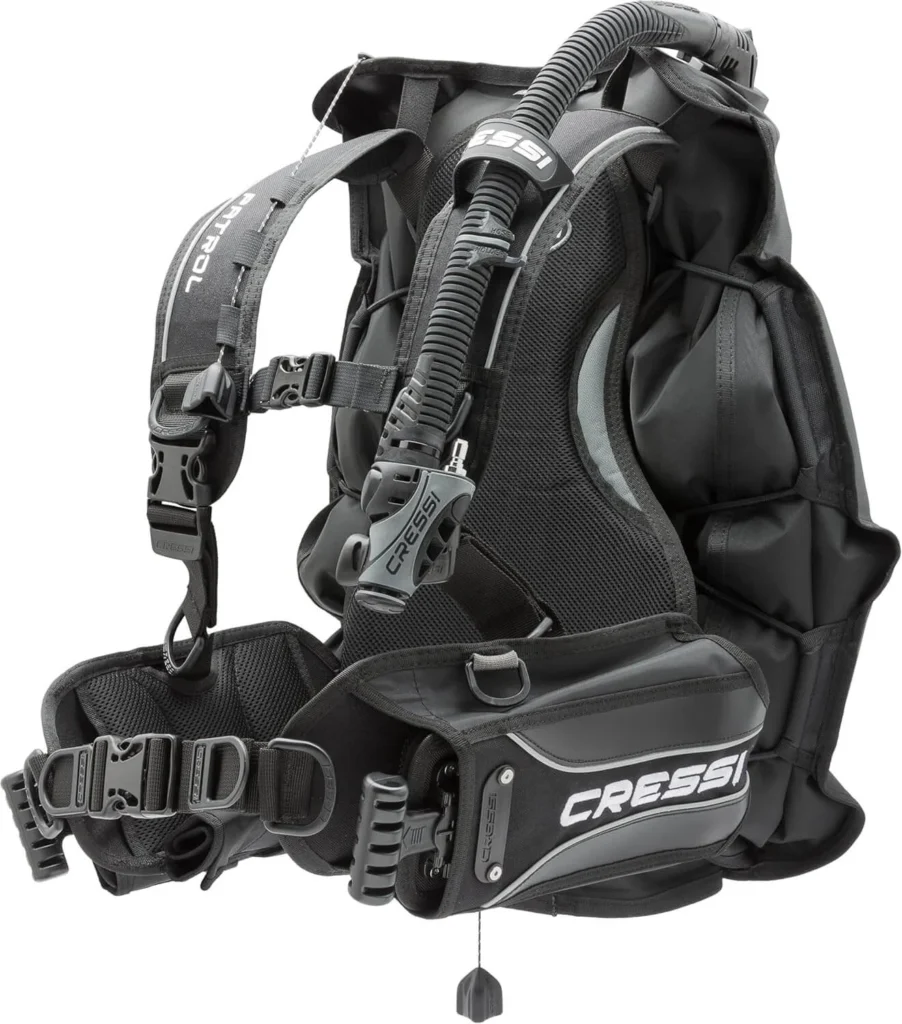
BEST OVERALL TRAVEL BCD
Cressi Patrol
Warm-water trips and divers who want integrated weights in a streamlined back-inflate design.
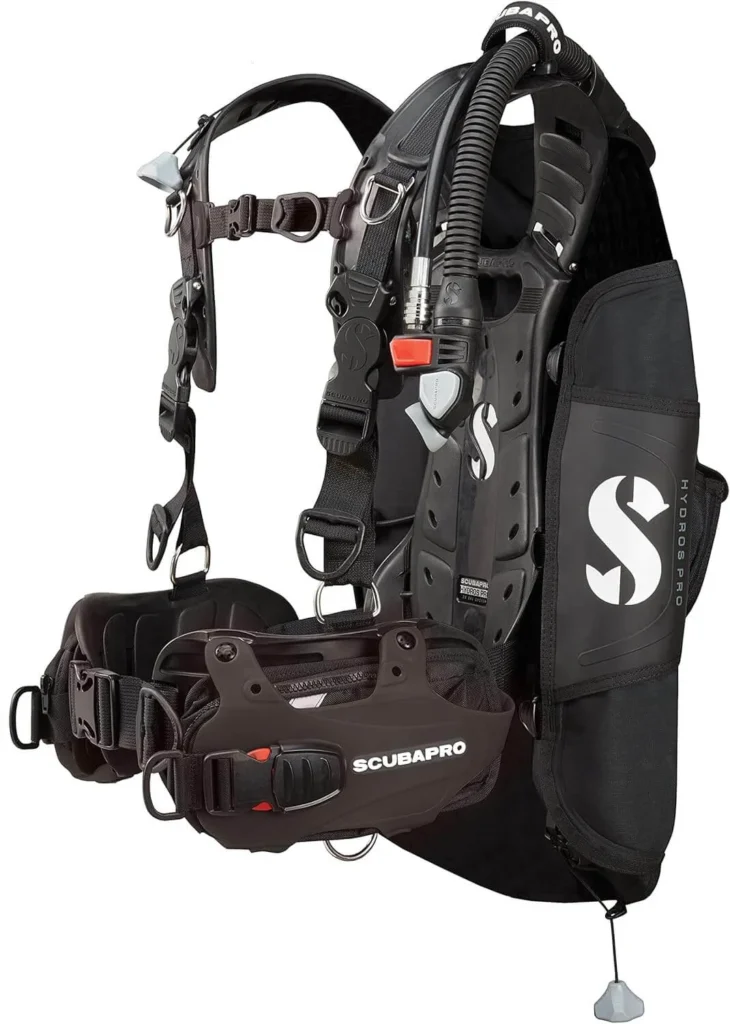
BEST PREMIUM MODULAR PICK
Scubapro Hydros Pro
Frequent divers who value quick drying, replaceable components and a personalized setup.
BEST BUDGET DURABLE ALTERNATIVE
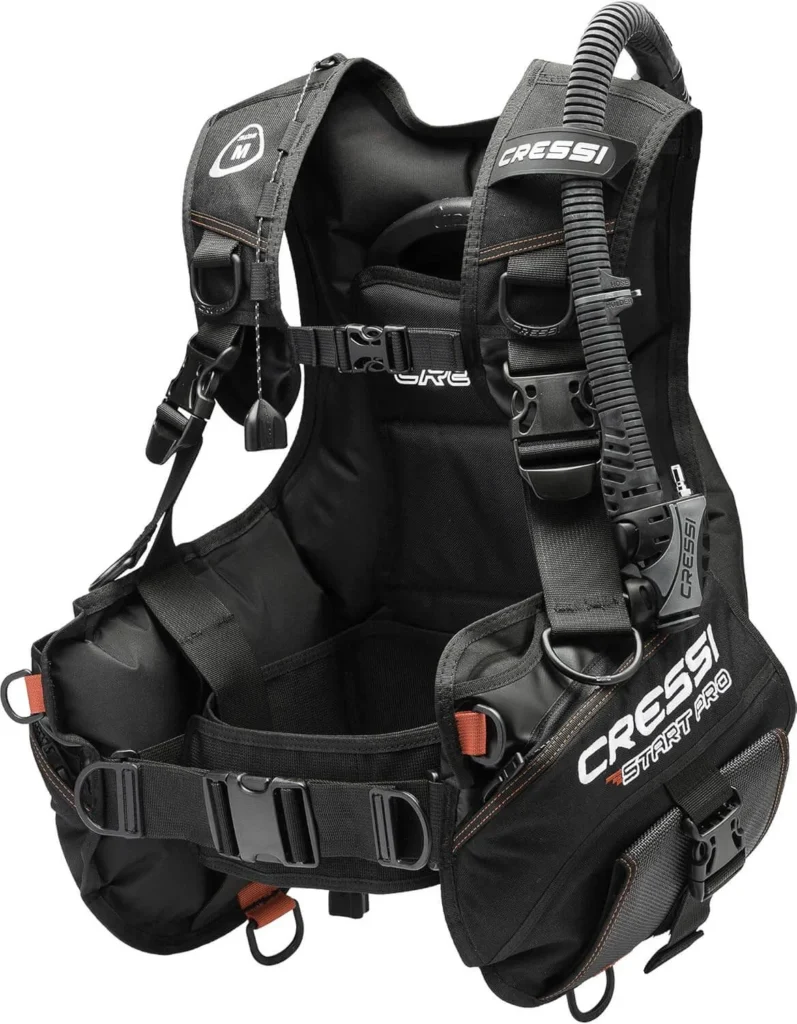
Cressi Start
New divers, occasional travelers and shoppers seeking a conventional jacket BCD on a tighter budget.
BEST ULTRALIGHT CONFIRMED PICK
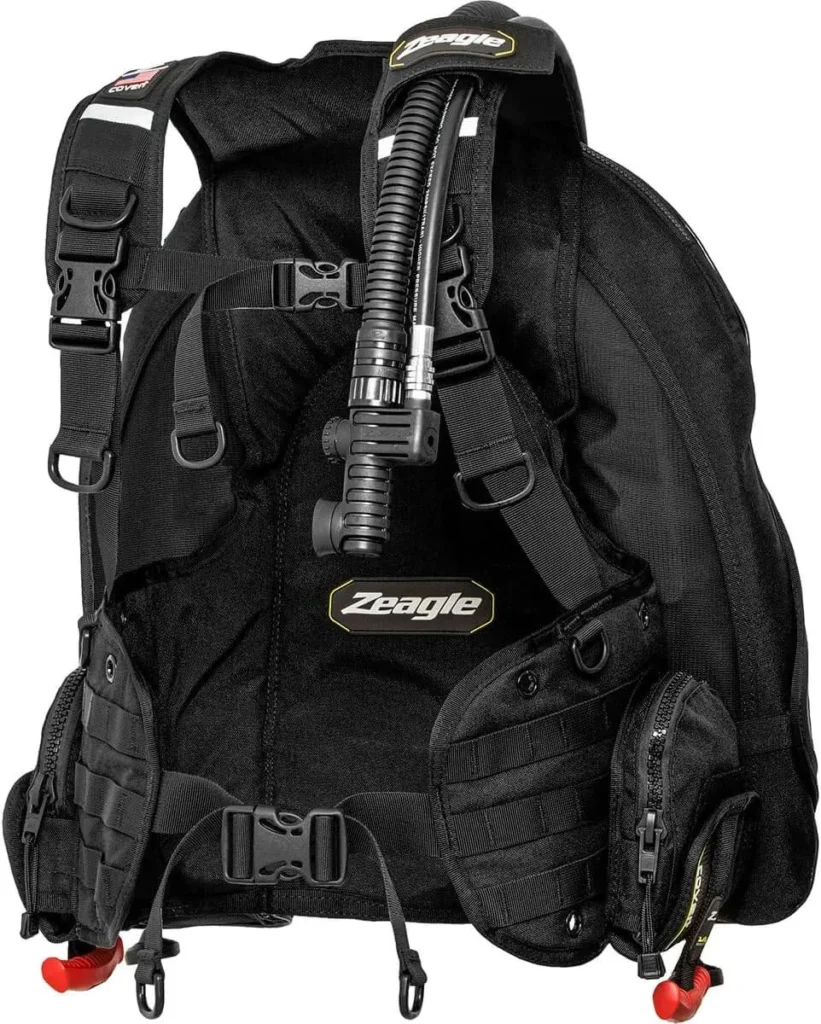
Zeagle Covert XT
Carry-on-minded divers who can manage a minimalist back-inflate system and separate or accessory weight solutions.
BEST HIGH-LIFT TRAVEL CROSSOVER
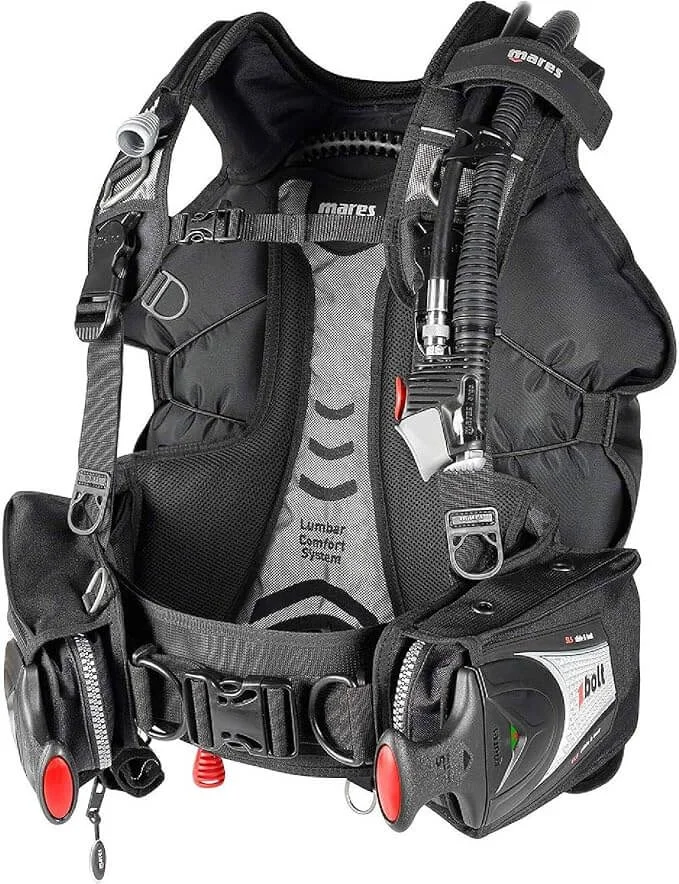
Mares Bolt SLS
Divers who want back inflation, integrated weights and more lift than an ultralight minimalist BCD.
How We Chose the Best Travel BCD
We verified design, lift, materials, weight system, pockets and current included accessories against manufacturer information. Then we examined recurring review questions about torso fit, surface position, tank stability, drying, pocket access and travel bulk. Owner feedback identifies inspection points; it does not replace specifications or an in-water fitting.
The comparison also reflects U.S. travel patterns. Warm Florida Keys and Hawaii trips favor compact quick-drying gear, while Southern California exposure protection and added ballast can demand more lift and a stronger weight strategy. Conditions, cylinder and diver size still control the final requirement.
The 5 Best Travel BCDs for 2026
These choices range from a confirmed five-pound minimalist model to a durable budget jacket. Match the intended compromise rather than buying on an award label alone.
1. Cressi Patrol: Best Overall Travel BCD
Why it stands out: The Patrol pairs a lightweight back-inflation layout with integrated Flat Lock Aid weight pockets, a roll-away cargo pocket and strong lift for its class. It balances travel priorities without removing normal recreational convenience.
Best for: Warm-water trips and divers who want integrated weights in a streamlined back-inflate design.
Watch for: Cressi does not publish one universal dry weight on the current page, and lift varies by size. Verify the exact size chart, lift and package.
2. Zeagle Covert XT: Best Ultralight Confirmed Pick
Why it stands out: At a manufacturer-stated five pounds, the Covert XT gives weight-conscious travelers a clear packing number. Its rear-inflate cell, 1000-denier nylon and MOLLE attachment points keep the design compact and adaptable.
Best for: Carry-on-minded divers who can manage a minimalist back-inflate system and separate or accessory weight solutions.
Watch for: It has no Ripcord integrated-weight system. Published lift varies from 26 to 35 pounds by size, so match lift, exposure protection and cylinder plan.
3. Scubapro Hydros Pro: Best Premium Modular Pick
Why it stands out: Its Monprene harness, modular attachment system and low water retention suit divers who want one premium BCD for travel and local use. The current package includes weight pockets, travel harness and a carry-on-style backpack.
Best for: Frequent divers who value quick drying, replaceable components and a personalized setup.
Watch for: It is a premium purchase and can become bulky when many accessories are attached. Confirm the exact men’s or women’s version and size.
4. Mares Bolt SLS: Best High-Lift Travel Crossover
Why it stands out: The Bolt SLS combines a streamlined backmount cell with Mares’ integrated-weight system and substantial lift. It suits a diver who accepts more packed weight for cold-water or mixed local and travel capability.
Best for: Divers who want back inflation, integrated weights and more lift than an ultralight minimalist BCD.
Watch for: This is not the lightest travel option. Weight and lift vary by size and model year, so verify the current Mares specification and seller listing.
5. Cressi Start: Best Budget Durable Alternative
Why it stands out: The Start uses a simple jacket layout, tough outer fabric and no integrated weights. It is an economical choice for a traveler who values durability and familiar rental-style operation over minimum weight.
Best for: New divers, occasional travelers and shoppers seeking a conventional jacket BCD on a tighter budget.
Watch for: It is not our ultralight recommendation and lacks integrated weights. Plan how you will use rental weights and verify baggage impact.
Interactive comparison
Compare Travel BCDs Side by Side
Select two or three options. Compare the format, intended user and the limitation to check before ordering.
| Feature |  Cressi Patrol Cressi Patrol |  Zeagle Covert XT Zeagle Covert XT |  Scubapro Hydros Pro Scubapro Hydros Pro |  Mares Bolt SLS Mares Bolt SLS |  Cressi Start Cressi Start |
|---|---|---|---|---|---|
| Best for | Best overall travel BCD | Best ultralight confirmed pick | Best premium modular pick | Best high-lift crossover | Best budget durable alternative |
| Inflation style | Back inflate | Rear inflate | Modular back inflate | Backmount | Jacket |
| Travel weight | Lightweight; no single current official dry weight | 5 lb / 2.27 kg | Quick-drying, low-retention build | Heavier than the ultralight Covert XT | Durability-first, not ultralight |
| Weight system | Integrated Flat Lock Aid | No Ripcord; plan belt or accessories | Integrated pockets included | SLS integrated system | No integrated weights |
| Good match for | Warm-water travel with integrated weights | Minimum baggage weight | Frequent travel and local diving | Mixed travel and local conditions | New divers and budget travel |
| Main watchout | Lift and fit vary by size. | Lift is 26 to 35 lb by size. | Premium price and accessories add bulk. | Verify current size-specific weight and lift. | Bulkier and requires a separate weight plan. |
| Current listing | Check on Amazon | Check on Amazon | Check on Amazon | Check on Amazon | Check on Amazon |
Confirm exact size, lift, packed weight, cylinder compatibility, weight capacity and included pockets. Arrange a fitted assembly and confined-water check.
What Makes a BCD Travel Friendly?
A travel design reduces dry weight and bulk, folds without damaging the bladder and avoids retaining unnecessary water before the return flight. It still needs adequate size-specific lift, a stable cylinder attachment, dependable dumps and a harness that fits with your exposure suit.
Manufacturer labels are inconsistent. One travel model may weigh five pounds while another is closer to a full local-diving setup. Request the dry weight for the exact size and included pockets, then weigh the packed configuration at home.
A Practical Best Travel BCD Decision Test
Start by eliminating every model that does not fit over your planned exposure suit or provide suitable lift in your exact size. Next compare the complete packed weight, not a stripped marketing configuration. A best travel BCD also needs a weight plan that works with the destination’s available lead, a cylinder band you can secure correctly and controls your buddy can identify.
For warm-water boat diving, the best travel BCD may be a compact back-inflate model that dries quickly and stores easily between dives. For cold shore entries, it may be a more substantial system that carries thicker exposure protection and extra ballast. For a new diver, familiar jacket operation can be more useful than saving a pound in luggage.
Use a rejection test before comparing price. Reject a harness that rides up, weight pockets you cannot release cleanly, a bladder that interferes with hoses, or a size chosen only for a bigger lift number. The best travel BCD is a complete life-support component, not just a light suitcase item.
Dry Weight, Packed Size and Water Retention
Dry Weight
Compare complete configurations. Removing weight pockets or a comfort pad for the scale can create a misleading number if you will reinstall them at the destination.
Water Retention
Monprene and minimal padding can dry quickly. Fabric and foam may hold more water. Drain, rinse and dry before the flight home.
Packed Shape
A flexible backplate and low-profile cell can lie flatter, but protect inflator fittings and dump valves. Do not force a bladder into a sharp fold.
Baggage Plan
Airline dimensions and weight allowances change by ticket. Weigh the actual bag and leave margin for wet gear and souvenirs.
Back-Inflate vs. Jacket Travel BCD
Back-inflate systems place the air cell behind the diver, leaving the chest uncluttered and supporting horizontal trim underwater. At the surface, poor fit or excess inflation can feel as though the cell is pushing the diver forward. Correct weighting, adjustment and practice usually matter more than the category alone.
A jacket wraps some buoyancy around the sides and feels familiar to many rental-trained divers. It can support a comfortable upright surface posture but may feel bulkier around the torso and in luggage. The Cressi Start is the conventional option here; the other picks favor back inflation.
Integrated Weights or Destination Weights?
Integrated pockets remove the need for a separate belt and can improve comfort, but they add hardware and must release cleanly. Confirm each pocket’s capacity, positive locking indication and one-hand ditching method. Practice with the exact rental lead configuration before the dive.
A minimalist BCD without integrated weights can pack lighter. You may use a belt or compatible accessory pockets, depending on training and operator supply. Keep releasable weight clearly accessible and distribute non-ditchable trim only within the system limits.
How Much Lift Does a Travel BCD Need?
Lift is size-specific. It must support the rig at the surface and manage the most negative point of the planned dive, but a larger number is not automatically better. Exposure suit buoyancy, cylinder material and pressure, carried lead, accessories and environment all matter.
Ask a qualified instructor or dive shop to check the complete configuration. Perform a proper weighting check and confirm the bladder can hold air before departure. Never select a size solely to obtain more lift if the harness then fits poorly.
Travel BCD Fit and Tank Stability Check
Interactive Pre-Dive BCD Check
Interactive pre-dive check
Check the Complete BCD Before Entry
0 of 6 checked. Resolve every missing item before the dive.
This planning aid does not replace training, the manufacturer's manual, professional inspection or a complete buddy check.
Divers Alert Network recommends checking the low-pressure connection, power and oral inflation, dumps, tank band and weight releases before entering. A buddy should know your releases and you should know theirs. If the BCD leaks or a control sticks, do not dive it.
Is a Buoyancy Compensator for Snorkeling?
A scuba BCD is not a snorkeling flotation aid. It is built to connect to a cylinder and low-pressure inflator and should be used within scuba training. For surface snorkeling, use the locally required or operator-approved flotation device, such as a correctly fitted snorkel vest or appropriate U.S. Coast Guard-approved life jacket.
The term buoyancy compensator for snorkeling appears in search data, but sending a non-diver toward scuba equipment would be misleading. A BCD is also not a life jacket and is not guaranteed to hold an unconscious person face-up.
U.S. Conditions and Destination Planning
Florida Keys boat diving and many Hawaii trips often use warm-water suits and aluminum rental cylinders, which may reduce total ballast but increase positive buoyancy near the end of the dive. Southern California commonly involves thicker exposure protection, boots, surge and shore entries, increasing packed bulk and ballast requirements.
Treat those as planning tendencies. Confirm cylinder type, rental weights, water temperature, entry, boat storage and save-a-dive support with the operator. A BCD that is excellent for a warm liveaboard can be wrong for cold local shore diving.
Should You Rent or Buy a Travel BCD?
Buy when consistent fit, familiar controls and repeated travel justify the cost and service responsibility. Rent when you dive infrequently, luggage space is tight or the destination has specialized cylinder and weighting practices. Owning a BCD does not remove the need to inspect rental cylinders, weights and regulator connections.
If buying your first model, arrange a fitted assembly and confined-water session with a qualified professional. Online return terms cannot replace breathing, trim, weight release and ascent-control practice.
Cleaning, Inspection and Service
Evidence and Update Standard
Product details come from current manufacturer pages for Cressi Patrol, Zeagle Covert XT, Scubapro Hydros Pro, Mares Bolt SLS and Cressi Start. Inspection guidance uses DAN equipment guidance. We revise rankings when specifications, model identity or reliable safety information changes.
Frequently Asked Questions
Bottom Line
The best travel BCD is the lightest complete system that still fits, supports the planned rig and gives familiar control. Patrol offers the strongest all-around balance, Covert XT minimizes confirmed dry weight, Hydros Pro adds premium modularity, Bolt SLS supports mixed travel and local use, and Start keeps the budget simple.
Next step: Compare two models above, confirm exact size-specific lift and packed weight, then arrange an assembled fit and confined-water check before the trip.